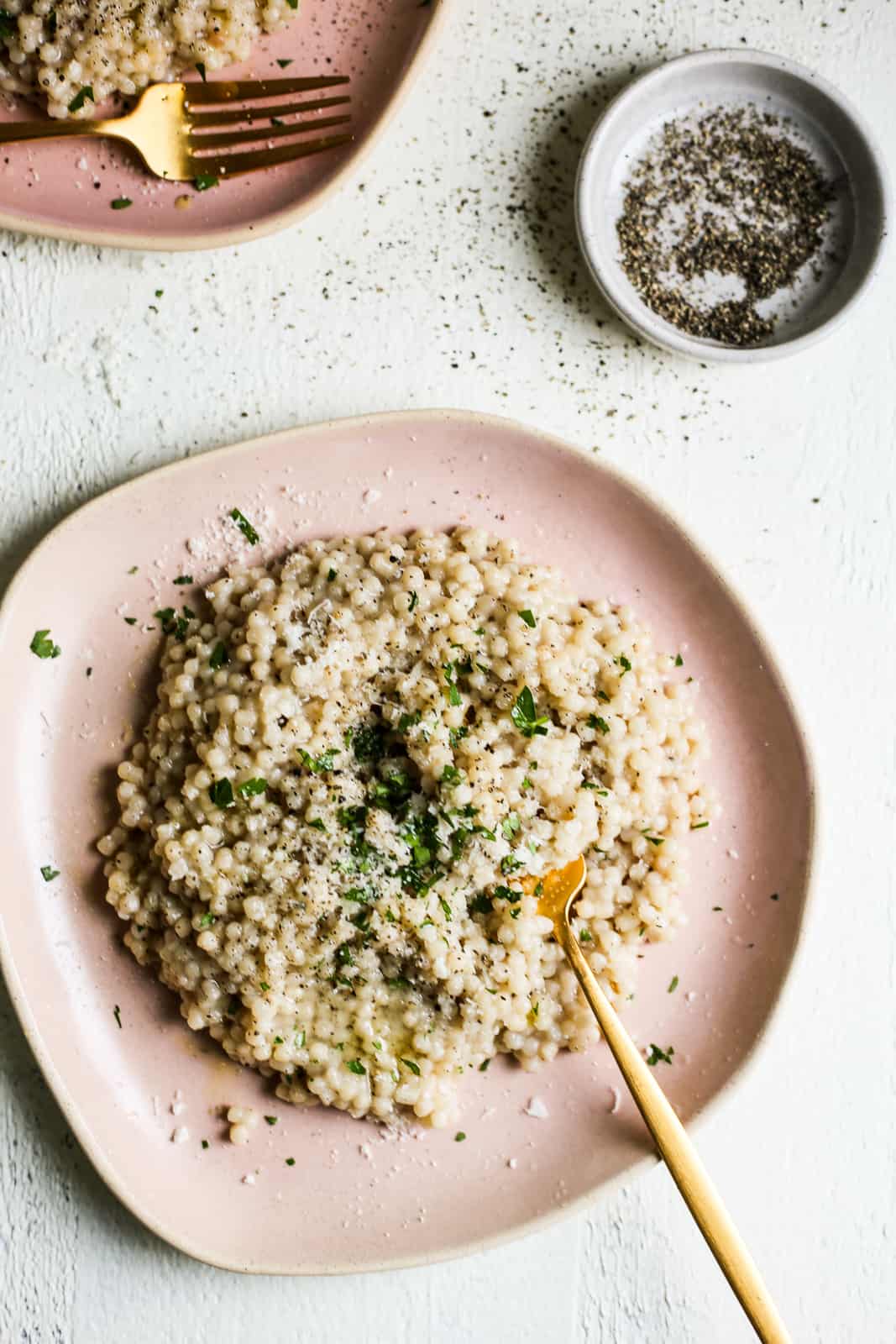
Mastering Israeli Couscous: Your Guide to Perfect Pearl Pasta
Tired of the same old rice and pasta dishes? There's a culinary gem waiting to transform your mealtime: Israeli Couscous. Often mistaken for a grain, this unique ingredient is actually a distinct type of pasta, offering a delightful texture and incredible versatility that sets it apart. If you're looking for a fresh, flavorful, and surprisingly simple addition to your repertoire, mastering an
israeli couscous recipe is an absolute must. Get ready to discover why this pearl-shaped wonder has captured the hearts of home cooks and chefs alike.
What Makes Israeli Couscous So Special?
Unlike its smaller, granular cousin (traditional couscous), Israeli couscous – also known as pearl couscous or *ptitim* – consists of tiny, spherical balls of toasted semolina flour. This difference in form translates to a world of difference in taste and texture. While traditional couscous is light and fluffy, pearl couscous offers a satisfyingly chewy, slightly nutty bite, making it a substantial and intriguing alternative to familiar grains like rice or barley. It cooks up beautifully, taking on the flavors of whatever it's paired with, making it a chameleon in the kitchen.
Its robust structure allows it to hold up wonderfully in various applications, from warm side dishes to chilled salads and even hearty main courses. It's truly a standout, offering a comforting yet exotic appeal that can elevate any meal. Once you experience its delightful chewiness and subtle flavor, you might find yourself, like many, stashing away the leftovers to savor every last pearl.
The Secret to Unlocking Flavor: Toasting Your Pearl Pasta
The first, and arguably most critical, step in any truly exceptional
israeli couscous recipe is toasting the dry pearls. This isn't just an optional step; it's a flavor-building powerhouse. By briefly sautéing the couscous in a touch of olive oil or butter before adding liquid, you initiate the Maillard reaction, developing a deep, nutty aroma and a richer, more complex taste profile that simply boiling cannot achieve.
Here’s how to master this essential technique:
1.
Heat the Fat: In a medium saucepan, melt a tablespoon of butter or heat olive oil over medium heat.
2.
Add Aromatics: This is where the magic begins. Sauté finely chopped onions or minced garlic until softened and fragrant. For an extra layer of warmth, consider adding a cinnamon stick during this stage.
3.
Toast the Couscous: Add the dry Israeli couscous to the pan and stir continuously for 2-4 minutes until the pearls turn a beautiful golden-brown and release a delightful, toasted aroma. Be careful not to burn them!
4.
Deglaze & Simmer: Pour in your chosen liquid – chicken broth, vegetable broth, or even water – and bring to a simmer. Cover, reduce heat, and cook for 8-10 minutes, or until the liquid is absorbed and the couscous is tender but still has a slight chew. Remember, this dish is incredibly quick to prepare, making it an ideal choice for busy evenings. For more time-saving ideas, explore how you can create
Quick & Flavorful Israeli Couscous: Ready in Under 10 Minutes.
The result is a fluffy, flavorful, and incredibly aromatic dish that’s ready to be enjoyed as a perfect companion to pan-fried chicken thighs, roasted vegetables, or simply on its own.
Crafting Your Perfect Israeli Couscous Recipe: Ingredients & Variations
The beauty of Israeli couscous lies in its adaptability. It's a blank canvas ready to absorb and enhance a myriad of flavors. Whether you prefer sweet and savory, garlicky and cheesy, or bright and zesty, there's an
israeli couscous recipe waiting for you.
1. The Classic Sweet & Savory Medley
This popular rendition celebrates the vibrant flavors of the Mediterranean and Middle East. After toasting and cooking your couscous, fold in:
*
Toasted Nuts: Pine nuts and pistachios add a delightful crunch and earthy flavor. Briefly toast them in a dry pan until fragrant.
*
Chewy Dried Fruit: Golden raisins or dried cranberries offer bursts of sweetness and a pleasant chew. For an adventurous twist, seek out barberries – small, tart Middle Eastern dried fruits that, once rehydrated, lend a distinct tangy zing.
*
Fresh Herbs: A generous handful of chopped fresh parsley or cilantro brightens the dish.
*
A Citrus Finish: A squeeze of fresh lemon juice at the end elevates all the flavors, adding a wonderful tang that cuts through the richness.
A hint of cinnamon, introduced during the toasting phase, beautifully ties these elements together, creating a complex yet harmonious flavor profile that is both comforting and exciting.
2. Garlicky & Cheesy Comfort
For those who love rich, savory flavors, a garlicky Israeli couscous is a fantastic choice. This rendition is incredibly comforting and pairs wonderfully with roasted meats or grilled vegetables.
*
Ample Garlic: Sauté several cloves of minced fresh garlic with your couscous during the toasting phase.
*
Rich Broth: Cook the couscous in a flavorful chicken or vegetable broth.
*
Parmesan Perfection: Stir in a generous amount of freshly grated Parmesan cheese after the couscous is cooked and still warm, allowing it to melt and create a creamy, savory coating.
*
Seasoning: A dash of black pepper and a sprinkle of dried oregano or basil enhance the savory notes.
This version makes a fantastic side dish for almost any meal and proves how versatile this humble pasta can be.
3. Expanding Your Horizons: Other Creative Variations
Don't stop there! Israeli couscous is incredibly versatile:
*
Vegetable Power: Add diced bell peppers, zucchini, or cherry tomatoes towards the end of cooking for a vibrant and healthy boost.
*
Herbaceous Delight: Experiment with different fresh herbs like mint, dill, or chives for varying flavor profiles.
*
Spice It Up: A pinch of cumin, turmeric, or a touch of smoked paprika can transport your dish to new culinary landscapes.
*
Make it a Meal: Transform your couscous into a complete meal by adding cooked chickpeas, grilled shrimp, or shredded chicken.
The possibilities are endless. If you’re looking to truly broaden your culinary horizons, you’ll find endless inspiration on how to move
Beyond Rice & Pasta: The Versatility of Israeli Couscous.
Practical Tips for Cooking & Storing Israeli Couscous
To ensure your Israeli couscous turns out perfectly every time, keep these practical tips in mind:
*
Don't Overcook: Unlike some pasta, Israeli couscous can quickly become mushy if overcooked. Stick to the suggested cooking times (typically 8-10 minutes after liquid is added) and test for doneness – it should be tender with a slight al dente bite.
*
Liquid Ratio: A common ratio is 1.5 cups of liquid to 1 cup of dry Israeli couscous. Adjust slightly if you prefer a drier or more moist consistency.
*
Resting is Key: After cooking, let the couscous sit, covered, off the heat for 5 minutes. This allows any remaining liquid to absorb fully and the pearls to steam, resulting in a perfectly fluffy texture.
*
Fluff with a Fork: Once rested, gently fluff the couscous with a fork before serving to separate the pearls and ensure an even distribution of ingredients.
*
Storage: Israeli couscous keeps fabulously! Store cooled leftovers in an airtight container in the refrigerator for up to 3-4 days. It’s perfect for meal prepping lunches throughout the week.
*
Freezing: For longer storage, cooked Israeli couscous freezes well. Allow it to cool completely, then transfer to freezer-safe bags or containers. Thaw in the refrigerator overnight and reheat gently.
*
Reheating: Reheat gently in the microwave or on the stovetop with a splash of water or broth to restore moisture.
Conclusion
Israeli couscous is more than just a side dish; it's an invitation to explore a world of vibrant flavors and satisfying textures. Its ease of preparation, incredible versatility, and delightful chewiness make it a truly special ingredient that can revitalize your weekly meal plan. From savory, garlicky creations to sweet and tangy Mediterranean-inspired dishes, every
israeli couscous recipe offers a journey for your taste buds. So, grab a bag of these little pearl pastas, embrace the simple act of toasting, and prepare to fall head over heels for your new favorite go-to dish.